


Ghana’s music industry is louder and more global than ever. Streams are up, collaborations are everywhere. But beneath the success, there’s a quieter shift happening. What does the future of Ghanaian music really sound like?
It may not be about who’s loudest but about a new generation thinking deeper, building smarter, and shaping what their music truly stands for.
RCee is Carrying Highlife Into Something New
RCee doesn’t sound like he’s in a hurry and that might be his greatest advantage.
Born and raised in Kumasi, his music carries that quiet confidence you don’t always notice immediately. It doesn’t demand attention; it earns it. In a time where Afrobeats is leading the music scene right now, RCee is doing something more patient, almost stubborn in its intention. He’s leaning back into highlife, but not as nostalgia. As evolution.
His sound blends old highlife with newer styles like R&B and reggae. Nothing feels forced. Nothing feels like it’s chasing anything. It just flows.
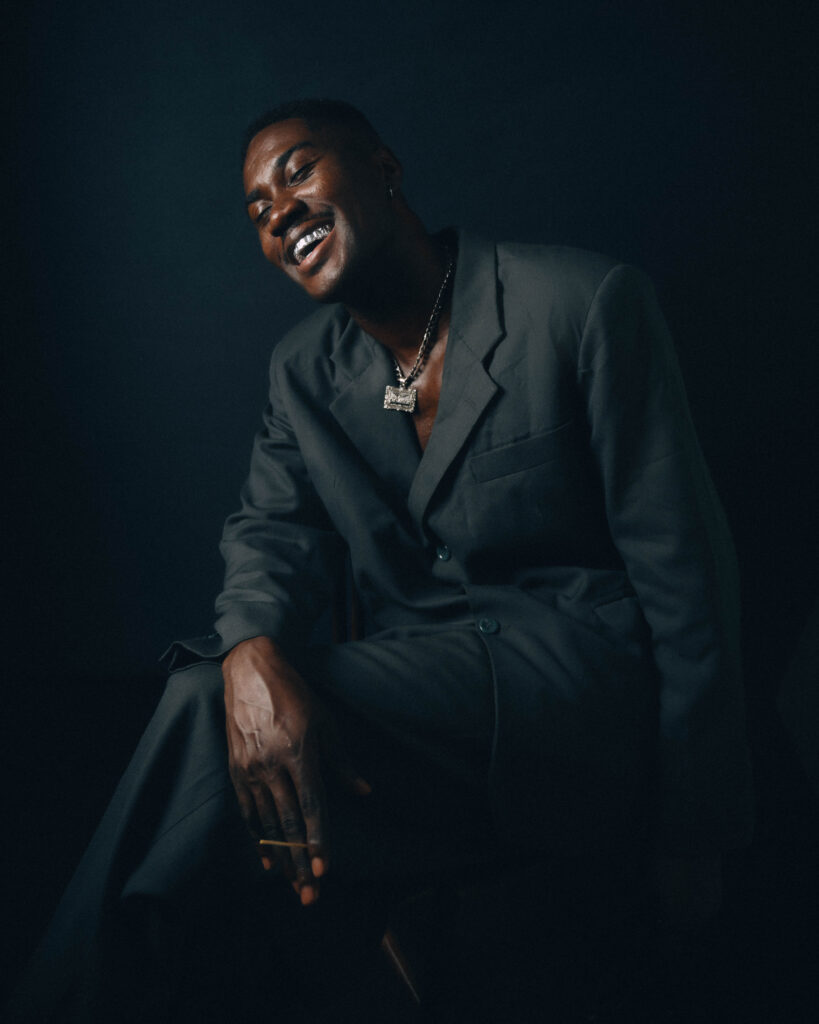
He once described his music as “mood management,” and the more you sit with it, the more accurate that feels. Songs like Agenda, Knees & Bend II, and Atiaa don’t try to overwhelm you, they settle into you.
There’s a consistent emotional thread running through his work: love that isn’t rushed, growth that isn’t performative, self-expression that feels honest without trying too hard to be vulnerable.
“Success isn’t about viral moments for me it’s about impact, he says.
“I want to make music that makes people feel seen.”
That idea of feeling seen shows up everywhere in his work. It’s in the way he sings smooth but grounded. It’s in the way he writes personal but not isolating. There’s a sense that he’s not just making music for attention, but for connection.
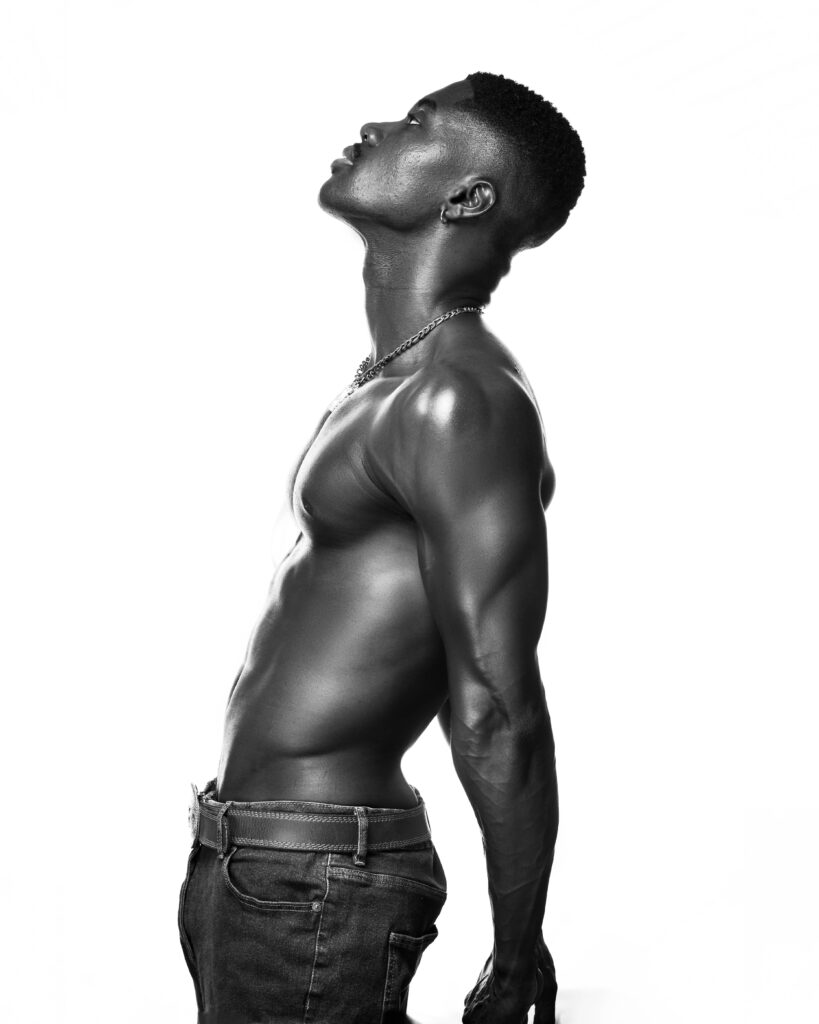
With over 21,000 monthly listeners on Spotify, his growth hasn’t been explosive and that’s exactly the point. It’s been steady. Intentional. Built on listeners who stay, not just pass through.
“I could chase quicker streams, but I’d rather build something that lasts something rooted in who I am.”
Malaïka makes music That Feels Like a Journal
Born Malaika Naa Lamley Aryee-Boi and now based in Accra, her sound feels exactly how she describes it; “like a warm hug.” It’s soft, calm, and honest in a way that doesn’t try too hard to impress you. Growing up between Ghanaian, Cameroonian, and German influences, her music pulls from different places, soul, R&B, zouk, makossa but it always feels personal. Like it belongs to her first before it reaches anyone else.
Her project 27 makes that even clearer. It wasn’t just music she was making it was a way of capturing who she was at that point in her life. She asked herself simple but deep questions: Who am I? What do I value? What feels true to me right now? And not rushing to answer them, she turned those reflections into both a photo series and a body of music. The result feels less like a performance and more like a record of
her life at that moment.
“Music for me is a tool of archiving, like a time capsule”.
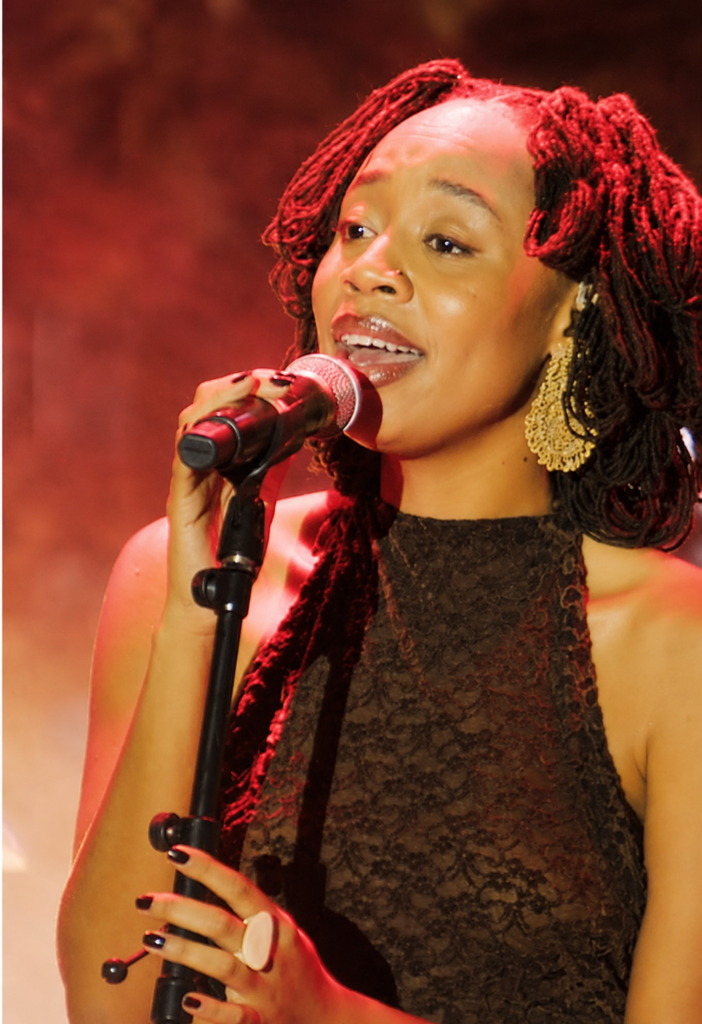
You hear that in the way she approaches everything. She doesn’t just write songs she studies her voice, her words, and her choices. She talks about wanting to grow as a writer, to experiment more, and to take a
more active role in shaping how her music sounds, not just what it says.
But she also understands that growth doesn’t happen in isolation. She talks alot about collaboration, not just as working with others, but as a way to grow. She speaks about wanting to work more with artists in
Accra, mentioning names like Ria Boss and Elsie Raad, artists she respects for how they approach their craft.
And when she talks about the scene, there’s a quiet honesty in her voice.
She points out that there are many women creating powerful, boundary-pushing music, artists like Darkua, Baaba J, and Annabel Rose but they don’t always get the level of attention they deserve.
It’s not said with frustration. More like awareness. A recognition that something important is happening even if it isn’t always fully seen yet.
Beyond the music, she’s also thinking about connection. Not just streams or followers, but real interaction. She talks about creating spaces outside social media, intimate listening sessions, unreleased music gatherings, ways to build something more direct with the people who resonate with her work.
And when you ask her what this phase of her life means, she doesn’t talk about numbers or visibility. She talks about discipline. About building routines. About taking care of her body, her voice, her mind, because all of it feeds into the music. This, for her, is the work.
Kwame Dabie Is Not Guessing. He’s Building
Dabie doesn’t move like someone figuring things out as he goes.
He moves like someone who already decided where he’s going and is just taking his time getting there.
Coming out of Tema, a place that has shaped some of Ghana’s most distinct rap voices his sound carries that same edge. There’s grit in it but also control. He moves between English, Twi, and Pidgin without forcing it, switching tones depending on what the story needs. Trap, Afrobeats, hip-hop, it’s all there, but it never feels scattered.
“I see my music career like a movie and I’m the one holding the script.”
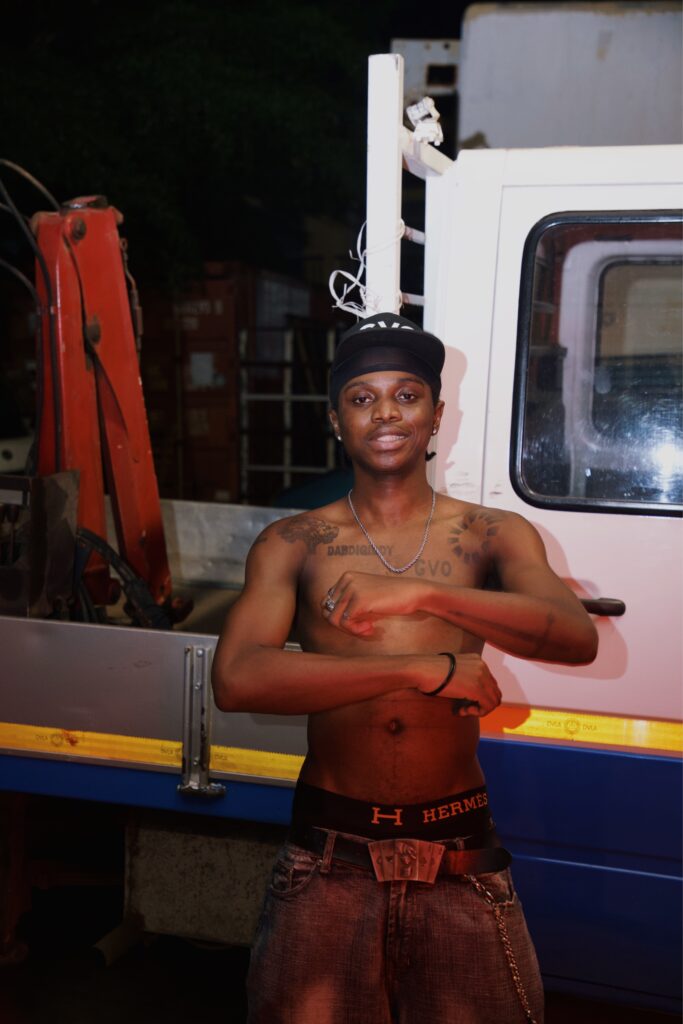
That line doesn’t sound like a metaphor when you listen to him closely. It sounds like a plan. Because for Dabie, this isn’t just about dropping songs, it’s about building something that makes sense over time. He’s released four EPs already, and each one builds on the last. FALSE PROPHETS shows he’s not
experimenting anymore he’s finding his direction. He calls his sound “Gargantuan Vibes” or simply, GVO. At first, it sounds like a bold phrase. But the more you sit with it, the more it feels like a mindset.
“It’s not even about numbers, It’s about executing what I planned and knowing I stayed disciplined.” That word discipline keeps coming back.
He talks about staying true to his direction. About not chasing trends just because they’re working. About knowing that not everyone will understand the vision right away and being okay with that.
“I’d rather stay true to the story I’m trying to tell.
There’s a kind of confidence in that. Not loud. Not performative. Just steady.
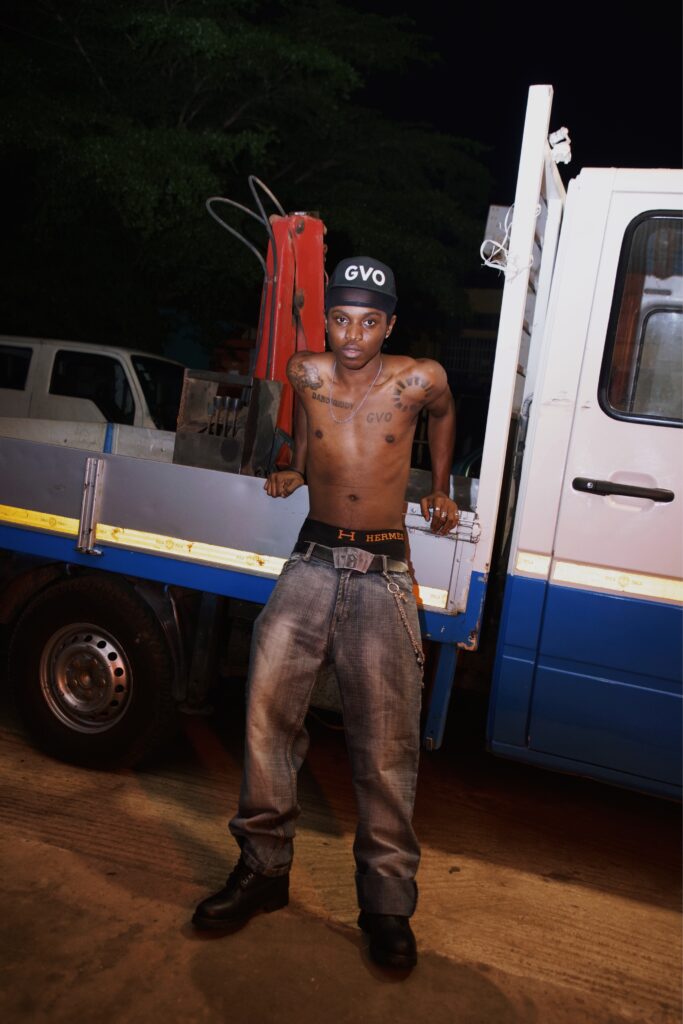
And when you ask him how he wants this period of his life to be remembered, his answer doesn’t sound polished. It sounds real. He wants people to say he faced everything the doubts, the obstacles and still
pushed through. That he knew what he was doing, even when others didn’t see it yet.
Then he sums it up in a way that feels more like a statement than a slogan: “Dabie Bomaye.” He fought through it.
Cojo Rae Is Keeping It Close to Home
Some artists try to do too much too quickly. Cojo Rae doesn’t. There’s something simple about the way he approaches music it’s not basic, but clear. He knows what he wants to say, and he says it in a way people understand. No overthinking. No trying to sound like someone else.
From his early days at Opoku Ware, where he released his first single Don’t Need Your Love, to songs like Jah Guide and Aketesia, you can hear the growth but also the consistency. His sound sits between drill, Afrobeats, and Afrohighlife, but what really carries it is the emotion. Songs like Aketesia or Kwesi Arthur feel familiar, like conversations you’ve had before or moments you’ve lived through. That’s what makes them stick.
“Success isn’t about numbers for me, it’s about impacting lives… making people happy.”
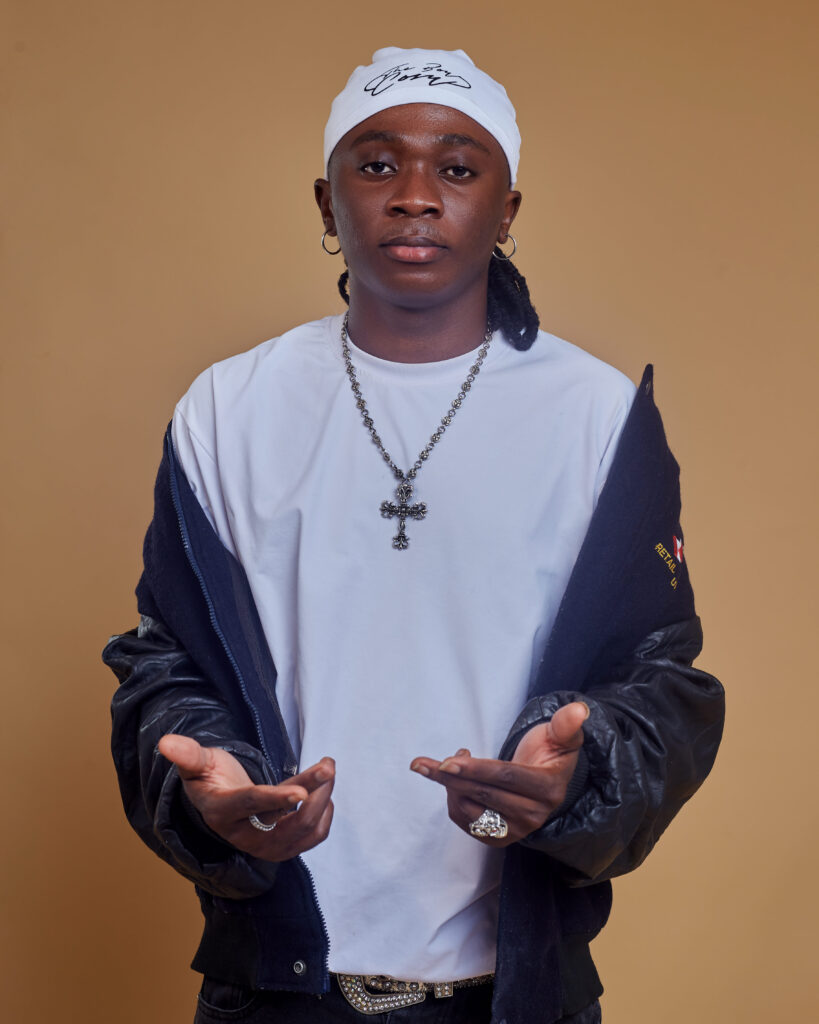
And you can hear that in the music. He’s not trying to impress you he’s trying to reach you.
When he talks about the industry, he doesn’t sound detached from it. He understands it. He talks about how people outside don’t always see how connected the Ghanaian music scene is, or how much culture shapes the sound especially highlife, which still sits underneath everything, whether people notice it or not. That connection to culture is something he holds onto strongly.
“I won’t compromise on my roots,” he says.
It’s not something he says for effect. It shows in how he makes music. Even as his sound evolves, there’s always something grounded in it something that feels like where he’s from. He also admits he’s still learning. Still figuring out how to be more open in his music. Still learning how to fully express himself
without holding back.
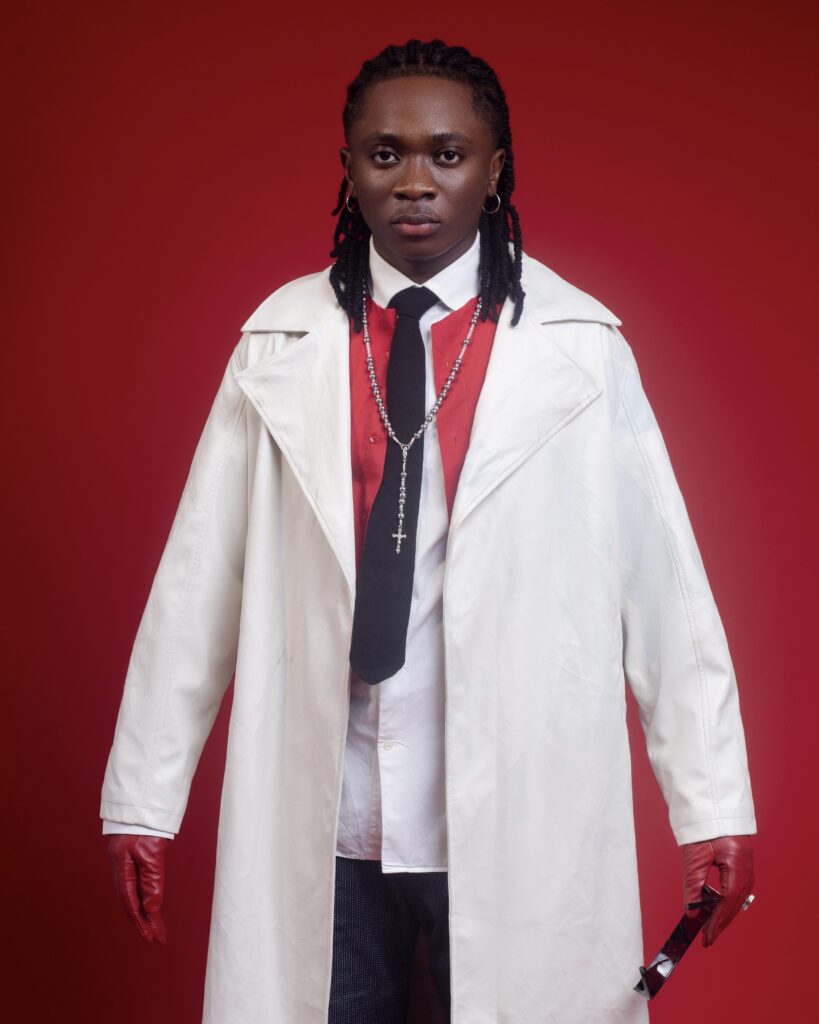
“I’m learning to be more vulnerable, to just be myself without overthinking it.”
Right now, he’s focused on his upcoming album Gen Z J.J something he’s been building carefully, not just dropping for the moment, but shaping with intention
Tony Dickson Is Staying in the Work
Some careers don’t start with noise. They grow quietly, over time and that’s exactly how Tony Dickson has been building. Based in Accra, Kingsley Dickson-Cobblah has been releasing music since 2016. You can hear that patience in his music. Tracks like Badman Flex, Need You, Jatsu Wulu, and Here to Stay don’t sound like they’re trying to prove anything. They just show range. One moment he leans into something more street, the next he softens it, moves into melody, into feeling.
He’s not boxed in and he doesn’t sound like he’s trying to be.
“Success for me is putting out more music and making sure people who listen enjoy it”
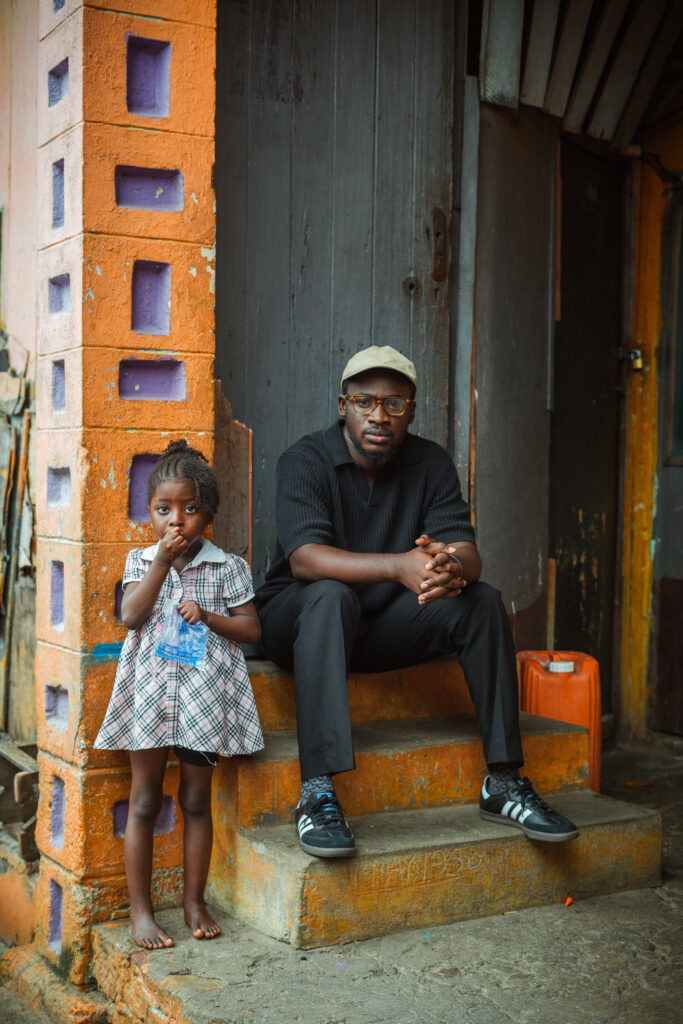
Beyond his own songs, Tony has been involved in other ways too. Co-writing. Collaborating. When he talks about Ghana’s music industry, he keeps it real. He knows things are changing, improving even. But he also understands that no matter how much things evolve, culture stays at the center.
We move forward, but we don’t leave our roots behind that’s how he sees it.
That connection to culture shows up in his own music too. He talks about moving from just rap and trap into sounds closer to home Highlife, Azonto, Ga influences. Not as a switch, but as a return. A way of reconnecting with where he’s from.
“You’ll hear more of that in my music”.
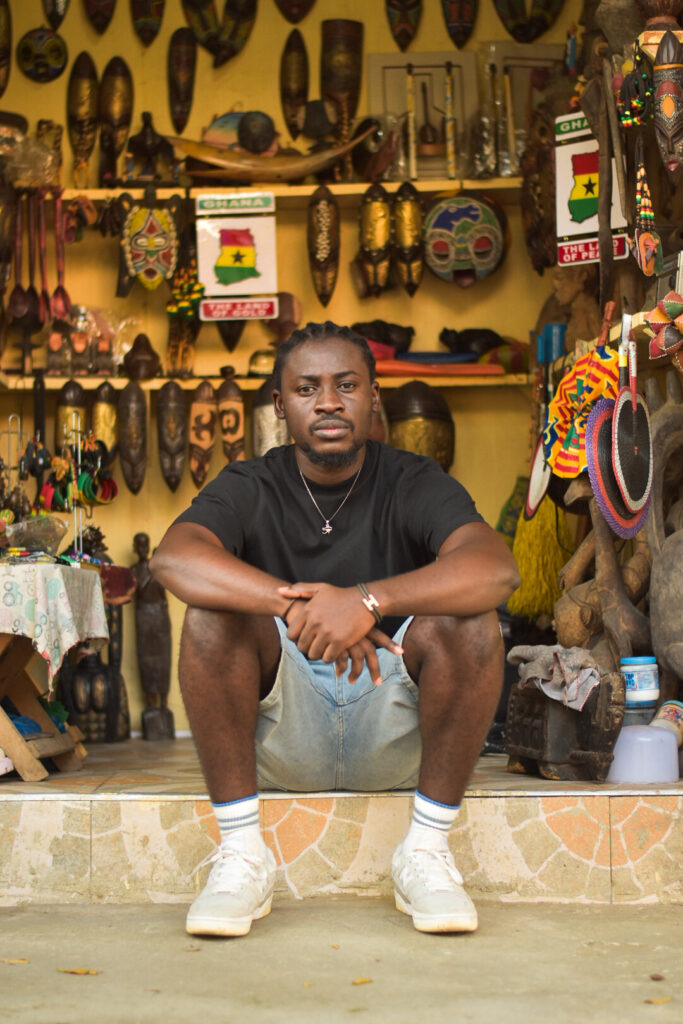
And maybe that’s what defines this stage of his journey. Not a breakthrough, but a shift. A deeper understanding of himself, his sound, his place in all of it.
When you ask him how he wants this era to be remembered, he pauses for a second. He wants people to see him as calm but serious about his music. Someone who stayed consistent long enough for it to matter. Someone who built something that lasted.
Then, almost quietly, he adds:
“Legacies will be made.”
Assisted by: Jesse Selorm Ababio


